The Arole Obàtálá · Head of the Religion and Worship of Ọ̀bàtálá in Ilé-Ifẹ̀
His Divine GraceOBA ISORO Olaolu Oladotun Okanlawon Dada
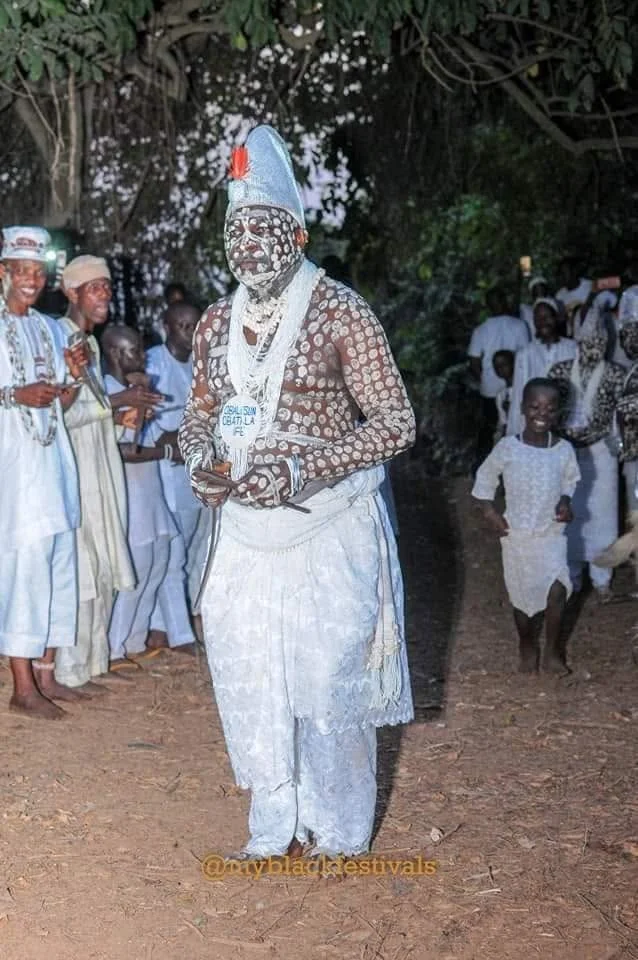
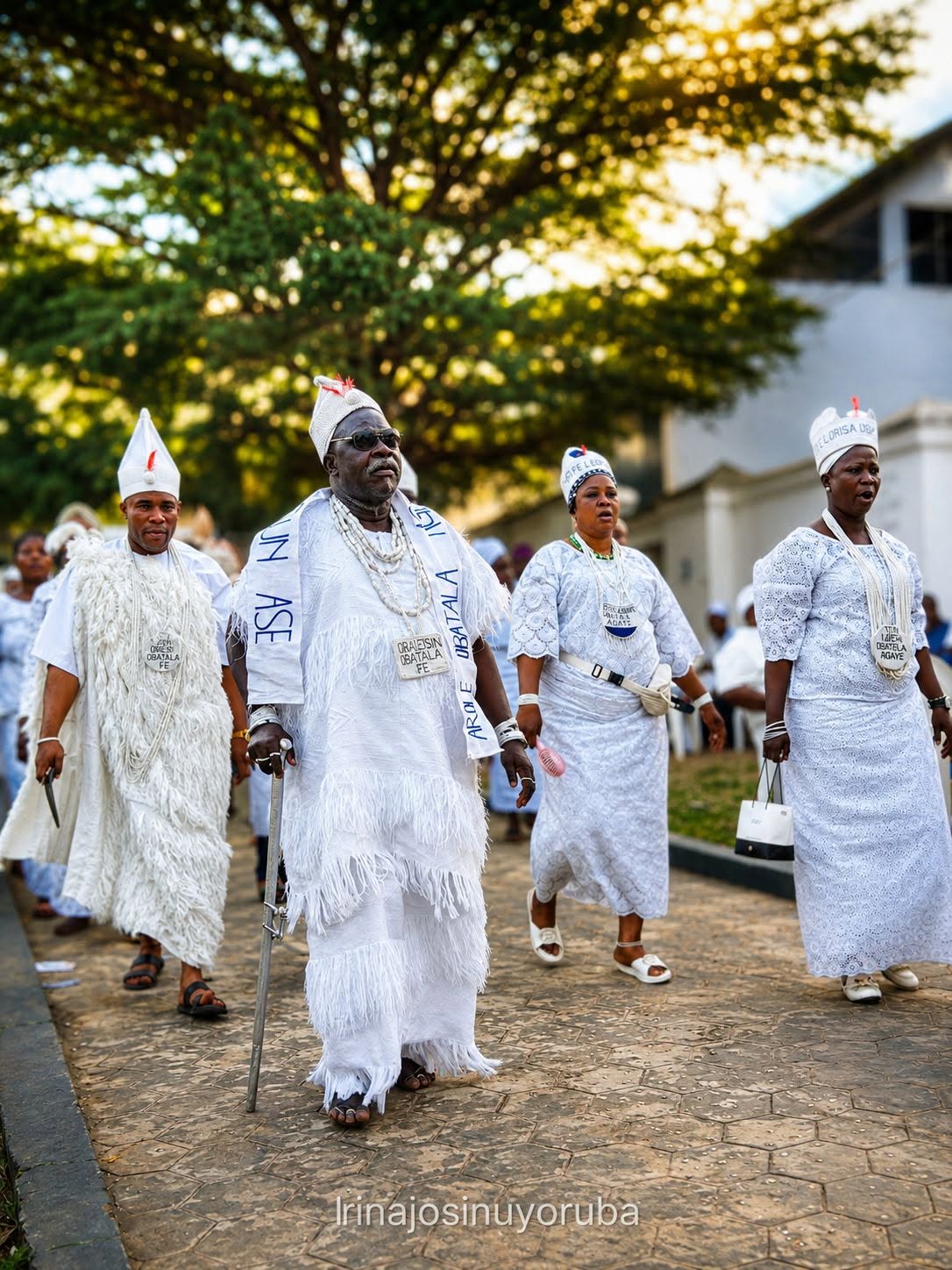
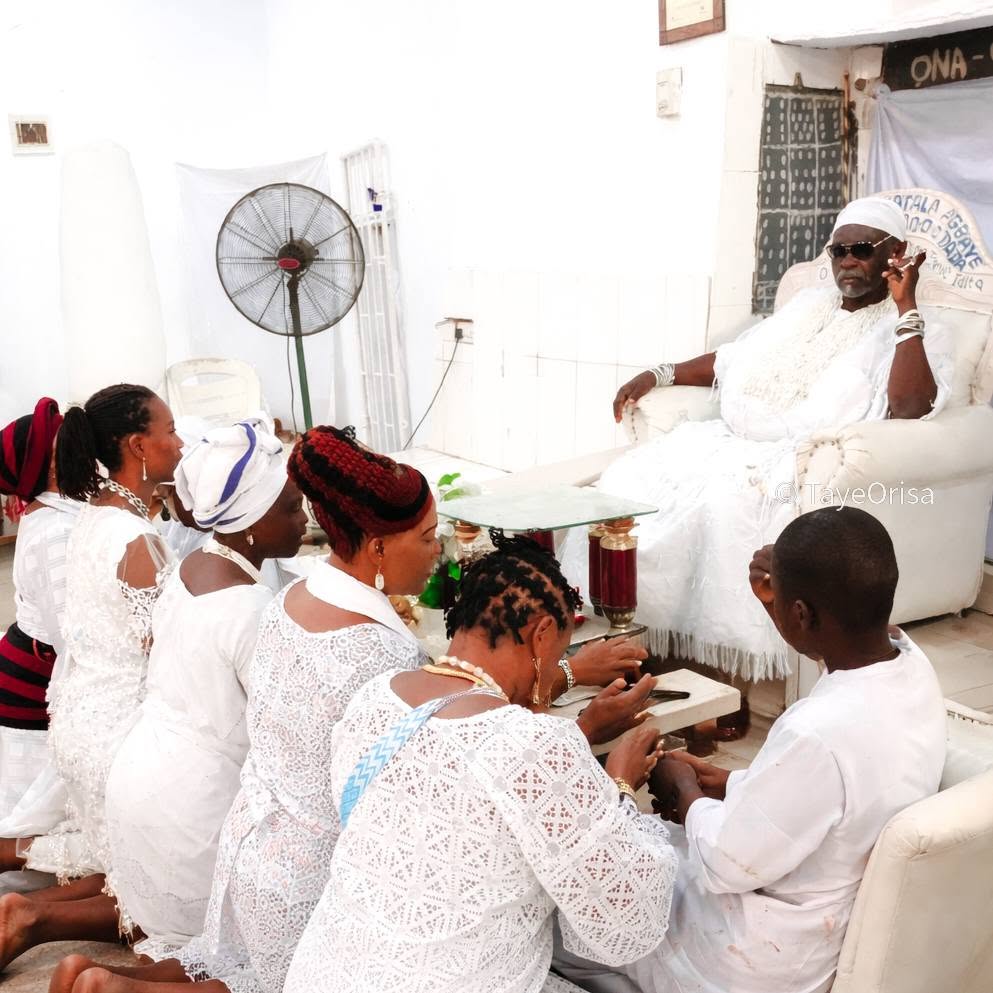
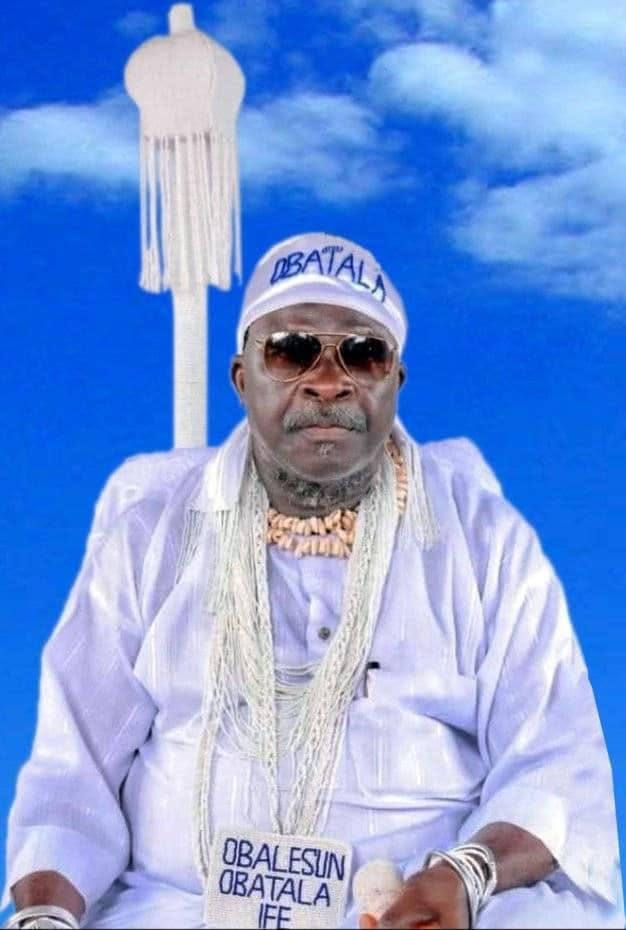
Obalesun Obàtálá — Priest of the Ọ̀bàtálá Temple of Ilé-Ifẹ̀ and traditional head of the religion and worship of Ọ̀bàtálá in Ilé-Ifẹ̀
The Scholarly Record
An Institutional Source of Standing
A significant contemporary source from the University of Campinas (UNICAMP), Obàtálá: criador de criaturas e criadores, identifies Olaolu Oladotun Okanlawon Dada as a priest of the Ọ̀bàtálá Temple of Ilé-Ifẹ̀ who heads the religion and worship of Ọ̀bàtálá and occupies the office of Obalesun — an institutional, academic source rather than a social-media description.
Throughout this page, documented academic sources, oral and traditional testimony, and the Royal House's interpretation of that material are kept distinct.
The Crowned Priestly Kings
Oba Isoro — Priestly Kings of the Temple
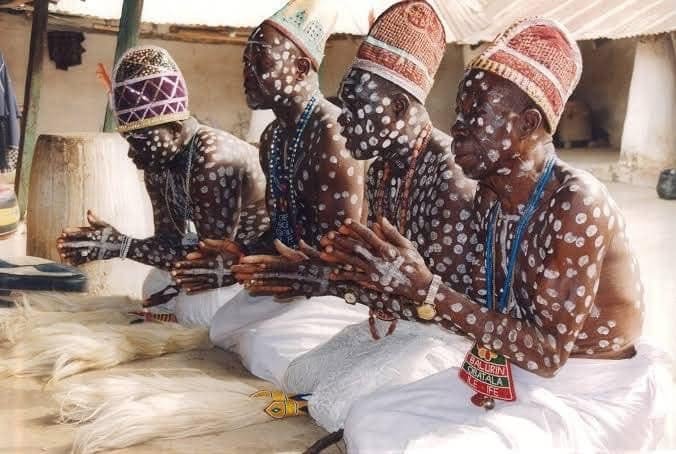
The associated ethnographic material describes the male crowned priestly offices as Oba Isoro — priestly kings — with Obalesun listed first, and describes Obalesun Ọ̀bàtálá Agbaye as the most important Oba Isoro within that Temple tradition.
Obalesun
Foremost of the Oba Isoro
Obanunrin
Obalale
Obaluru
Orisagbuyin
Orisawusi
Oribato
Oba Awise
Obalesun and the Ìlésùn Lineage
The Two Groupings of the Ọ̀bàtálá Clan
The scholarly paper on the Oòni's religious role states that the Ọ̀bàtálá clan contains two groupings:
Ìlésùn
Headed by Obalésùn — the line with which the office of Obalesun is associated in the scholarly literature.
Ìlálẹ̀
Headed by Obalálẹ̀ — the companion line of the clan.
A detailed traditional account further describes Obalesun as the paramount head of Idita and associates the office with the Ìlésùn descendants. Because that account circulates outside academic publication, its genealogical details are treated as oral testimony requiring corroboration — yet the Ìlésùn–Obalesun connection itself is corroborated by scholarly literature.
Is Obalesun Simply Another Name for Ọ̀bàtálá?
A Necessary Distinction
One traditional explanation derives "Oba-le-sun" from an episode concerning Ọ̀bàtálá sleeping, after which the Obalesun became a representative of Ọ̀bàtálá's authority. That etymology is not presented here as established fact (see Historical Notes and Sources).
What the sources, taken together, support is this: Obalesun is an ancient Ọ̀bàtálá-associated royal and priestly title of Ilé-Ifẹ̀, traditionally connected with Idita and Ìlésùn and associated with a senior position within the leadership of Ọ̀bàtálá worship in Ilé-Ifẹ̀ — a distinction from Ọ̀bàtálá himself, not simply another name for the deity.
Within the Royal House Hierarchy
The Ancient Institutional Structure
The institutional structure below reflects the Royal House's interpretation of the academic and traditional material, presented broadly and in summary form:
Òrìṣàńlá / Ọ̀bàtálá
The primordial source
Idita / Ìrànjẹ
Descent 1
Ìlésùn & Ìlálẹ̀
Descent 2
Obalesun & Obalale
Descent 3
The other Oba Isoro offices
Descent 4
The female Yeye offices
The matriarchal offices
Which offices are lineage heads, which are ritual offices, and which changed precedence historically remain subjects of ongoing research; one source indicates that Obalesun formerly held the highest leadership position while another office later occupied it.
Sources & Corroboration
Historical Notes and Sources
University of Campinas (UNICAMP)
Obàtálá: criador de criaturas e criadores — identifies Olaolu Oladotun Okanlawon Dada as a priest of the Ọ̀bàtálá Temple of Ilé-Ifẹ̀ who heads the religion and worship of Ọ̀bàtálá and occupies the office of Obalesun.
Scholarly paper on the Oòni's religious role
States that the Ọ̀bàtálá clan contains two groupings: Ìlésùn, headed by Obalésùn, and Ìlálẹ̀, headed by Obalálẹ̀ — corroborating the Ìlésùn–Obalesun connection in scholarly literature.
Associated ethnographic material
Describes the male crowned priestly offices as Oba Isoro — priestly kings — listing Obalesun first among Obanunrin, Obalale, Obaluru, Orisagbuyin, Orisawusi, Oribato, Oba Awise and others, and describes Obalesun Ọ̀bàtálá Agbaye as the most important Oba Isoro within that Temple tradition.
Note on the etymology. The traditional derivation of "Oba-le-sun" from an episode concerning Ọ̀bàtálá sleeping has not been confirmed by a sufficiently strong academic Yorùbá-language source, and is therefore not presented on this page as established history.
Note on registers. Three registers of material are distinguished throughout: documented academic sources (the UNICAMP publication and the scholarly literature), oral and traditional testimony transmitted outside academic publication, and the Royal House's interpretation of that material — presented as such, and never as established history.
Research into Nigerian academic books, journal articles, old Ifẹ̀ histories, dissertations and Yorùbá-language sources on Idita, Ìrànjẹ, Ìlésùn, Obalálẹ̀ and the Oba Isoro hierarchy continues.
In the Life of the Temple
Scenes of Obàtálá Devotion