
ADDRESS OF PEACE TO HUMANITY
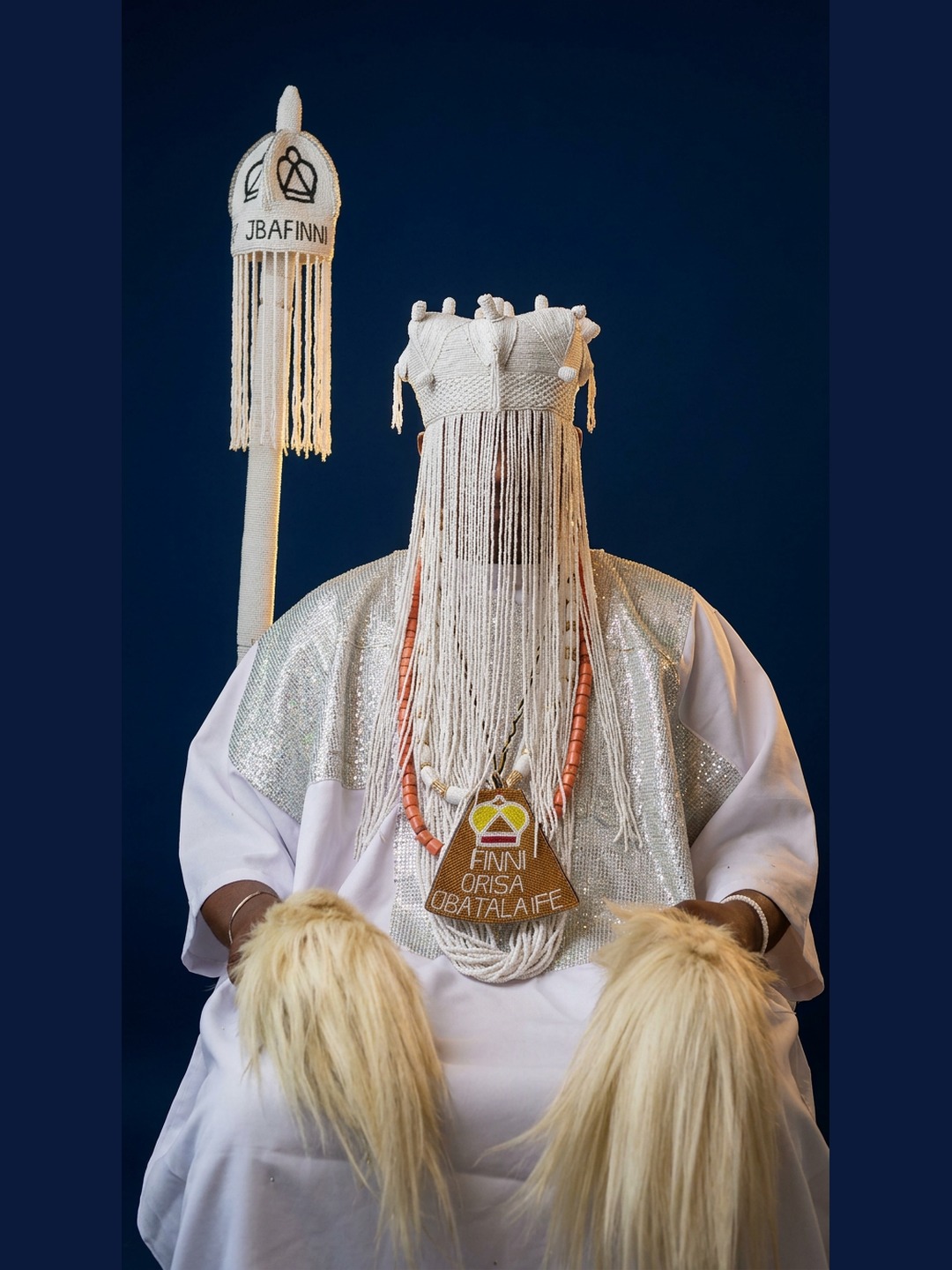
Third Crown Anniversary
Reference: RHOB/PA/2026/001
October 6, 2026
To Governments, Traditional Institutions, International Organizations, Cultural Institutions, Universities, Peace Organizations, and Friends of Humanity:
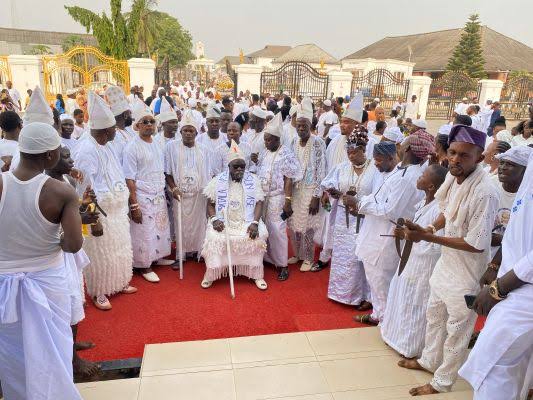
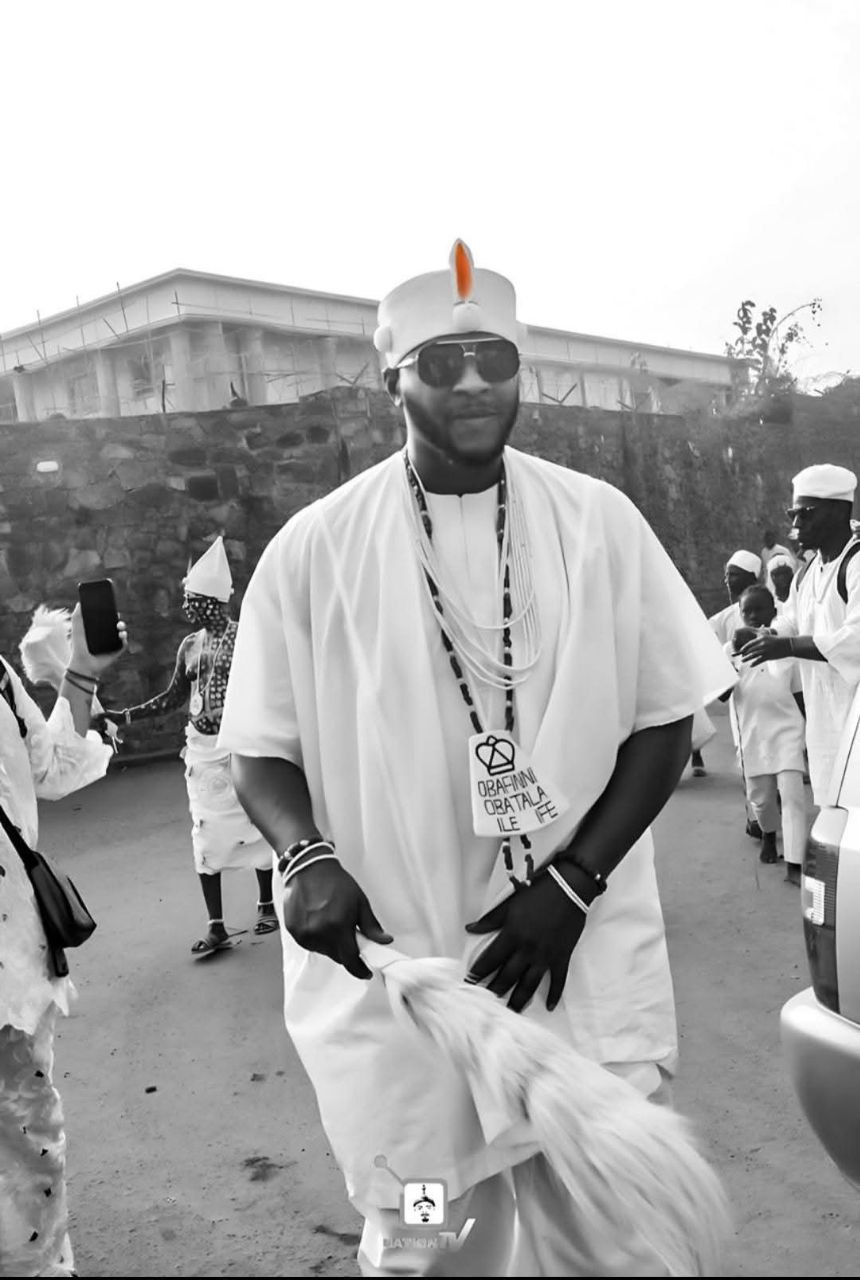
On the occasion of the Third Anniversary of my Crowning, I address humanity not merely in celebration of a crown, but in contemplation of the responsibility that a crown represents.
A crown should never be understood only as an ornament of authority or a symbol of privilege. At its highest purpose, it is a reminder of responsibility: to protect life, uphold justice, seek wisdom, reconcile where there is division, and speak for peace when the voices of conflict have become louder than the voices of humanity.
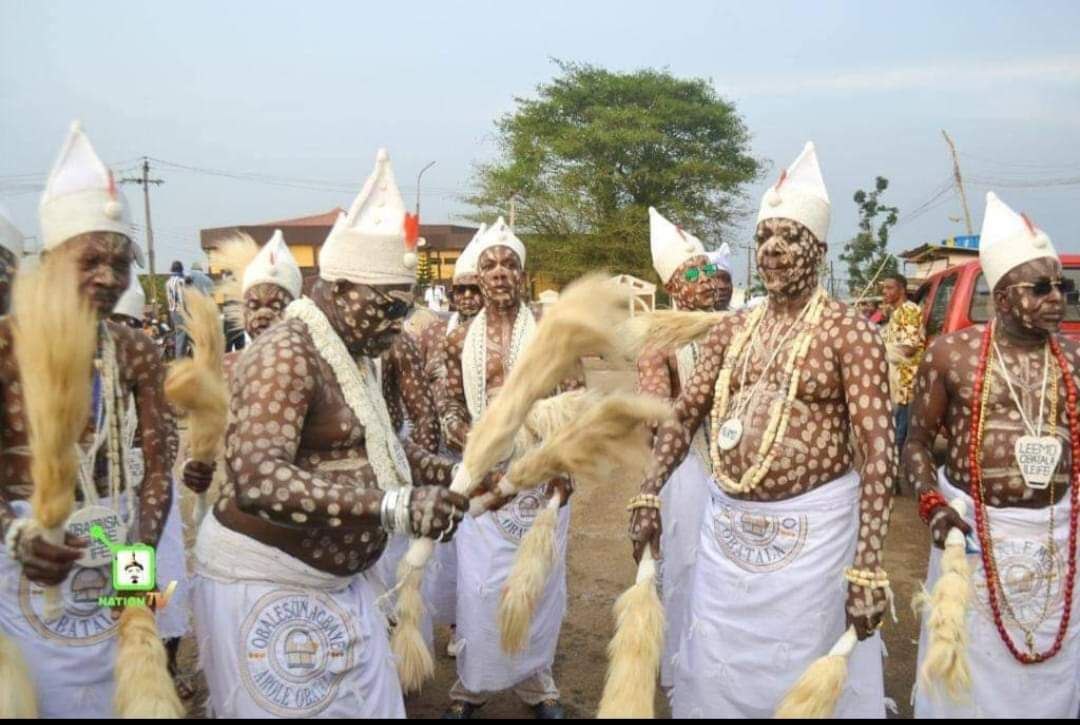
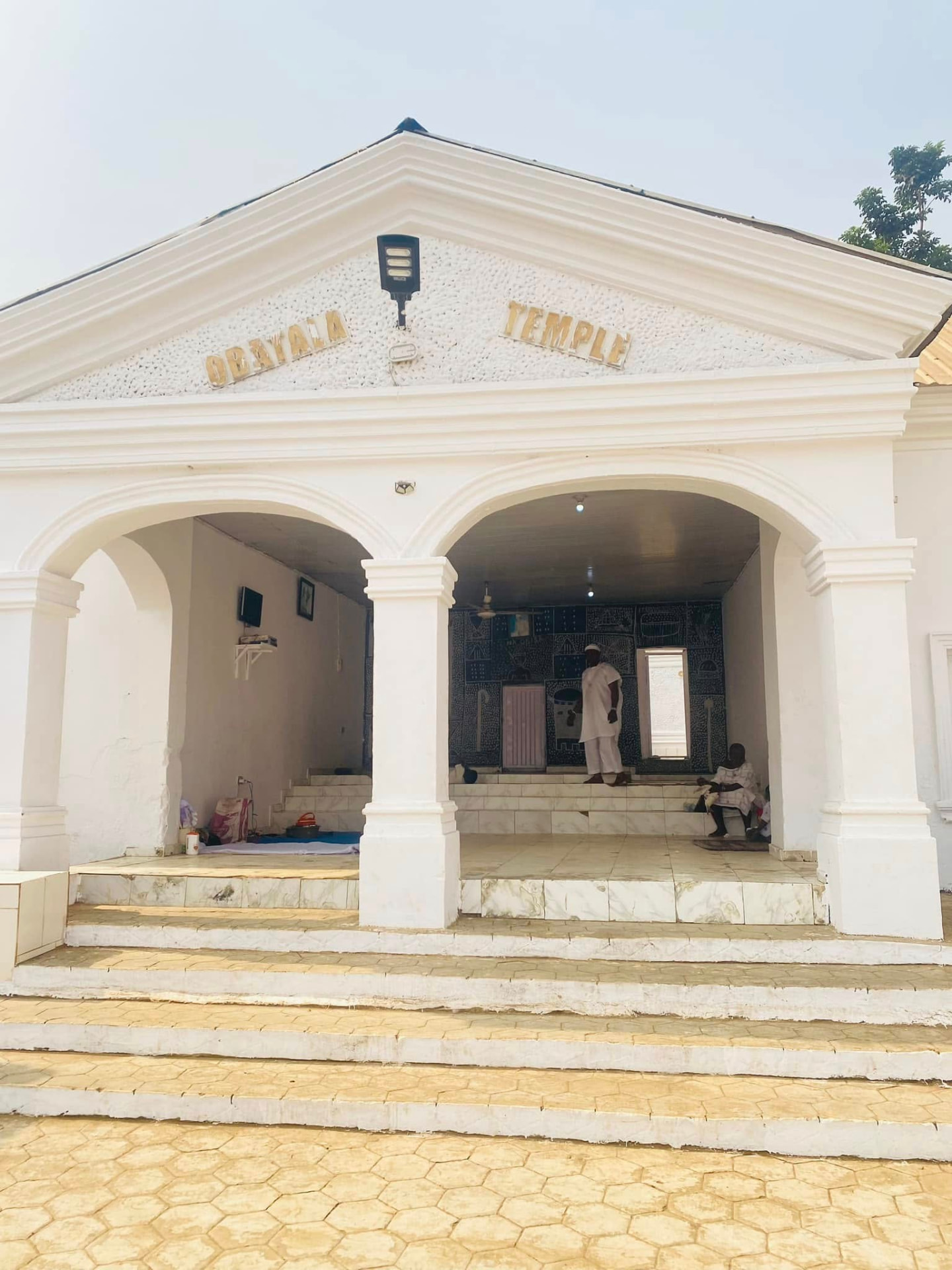
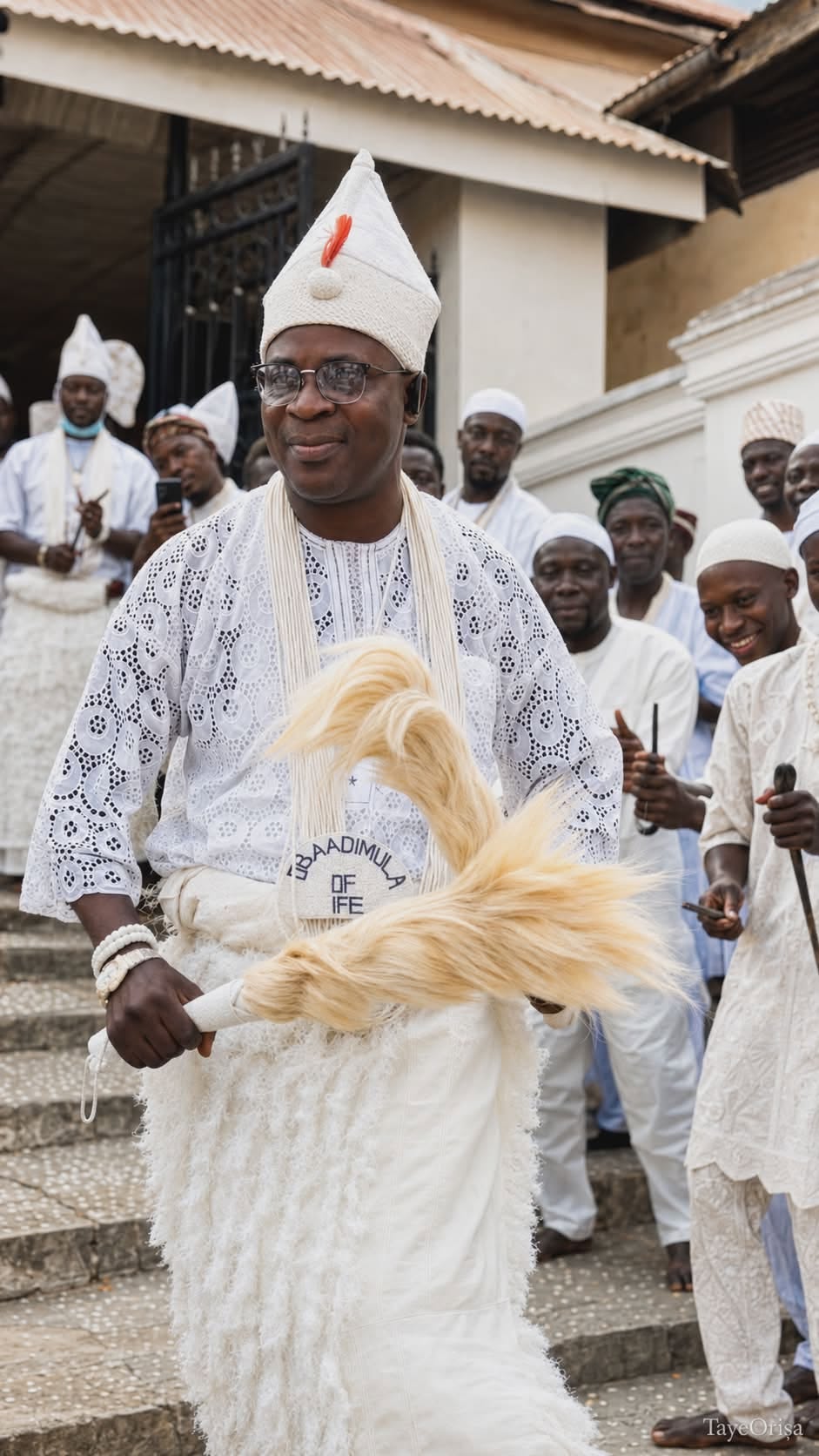
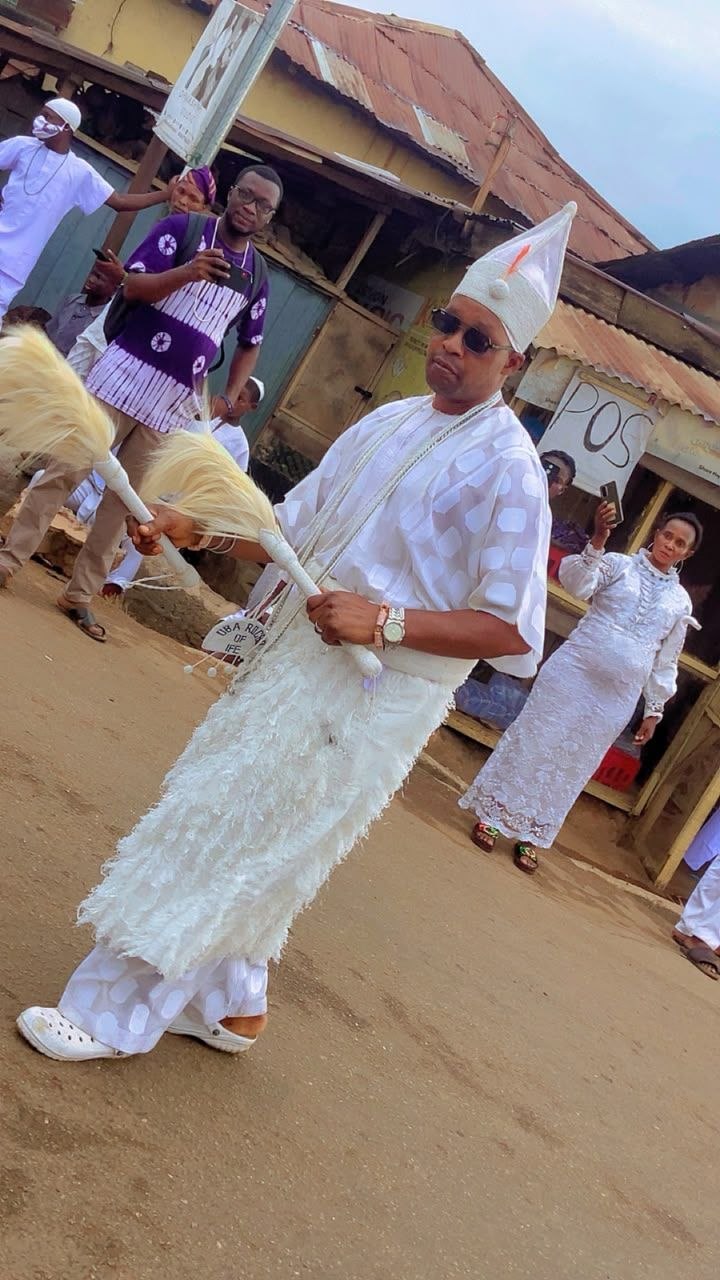
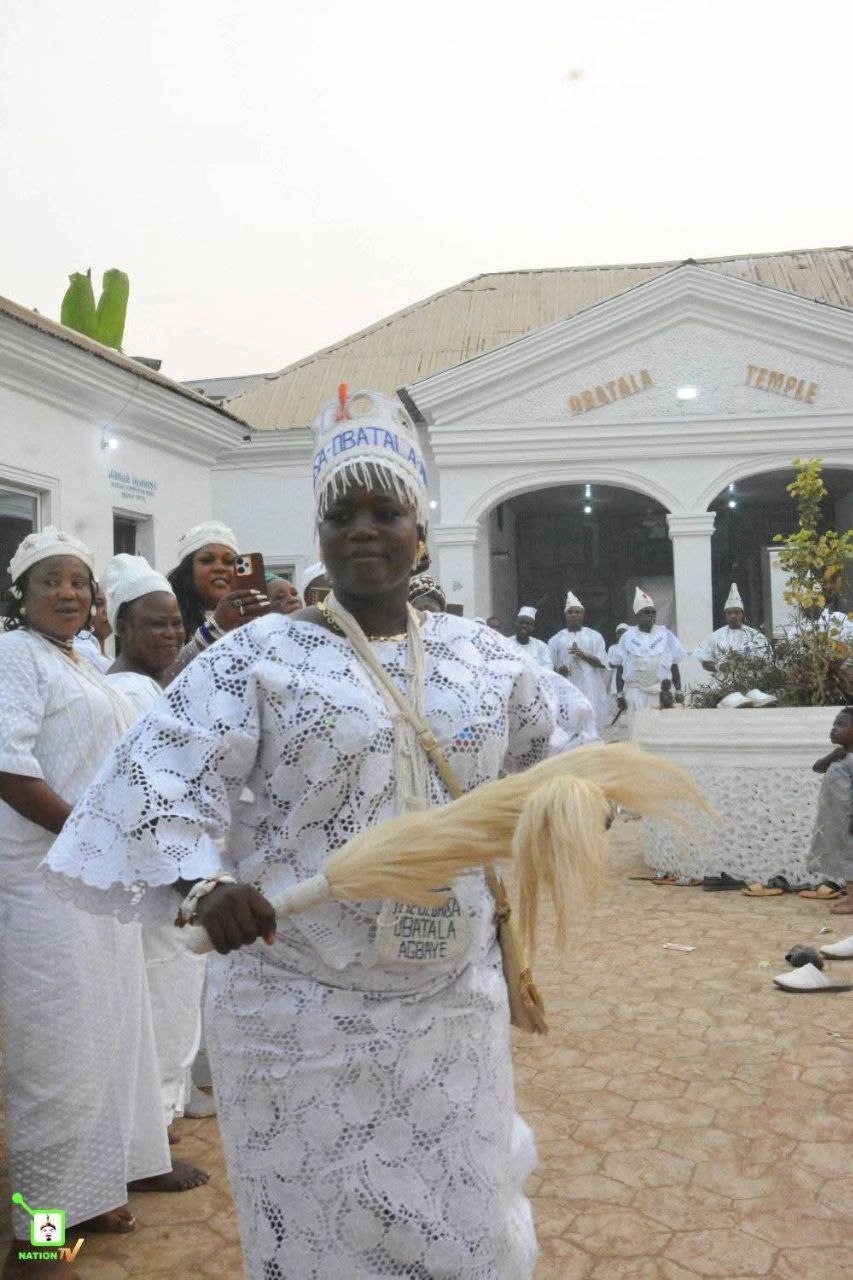
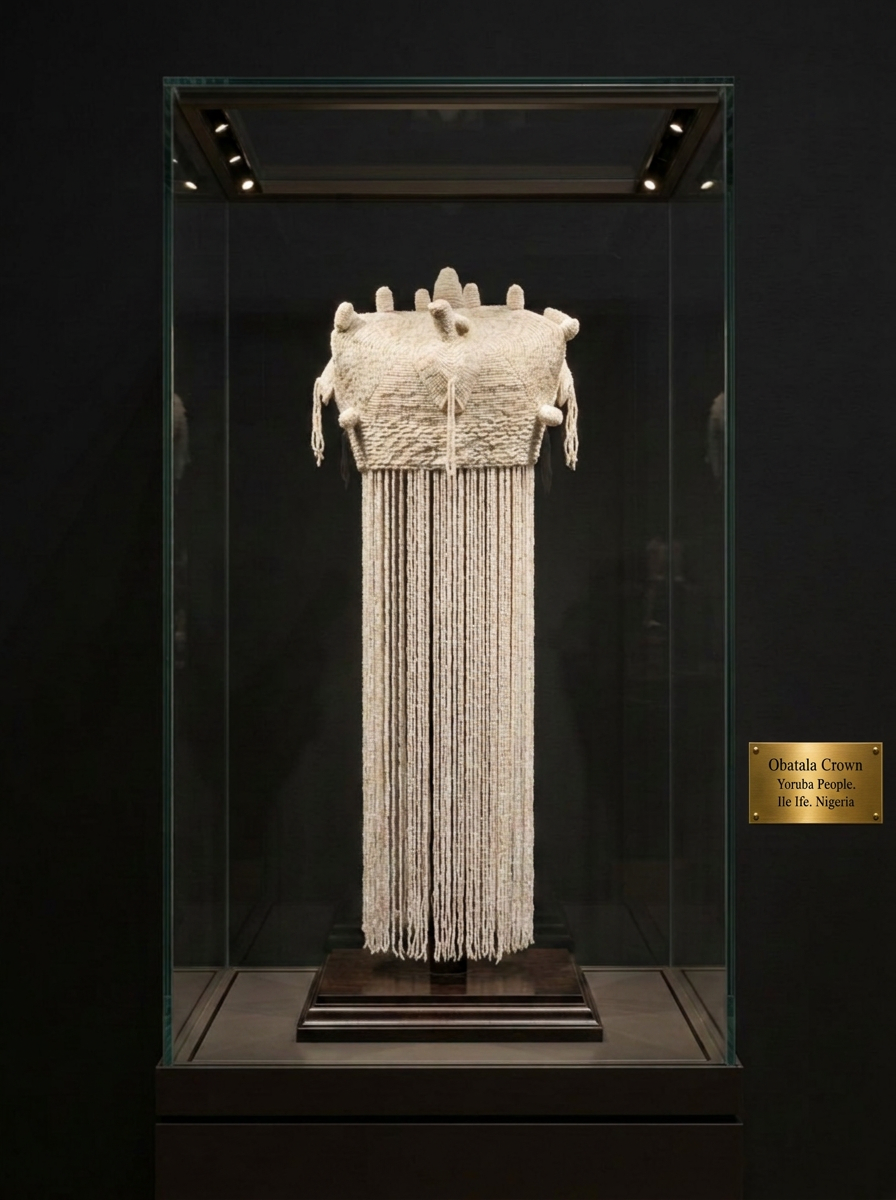
Within the sacred traditions of the Yoruba people, Obàtálá occupies an extraordinary place in the story of humanity. Revered as the divine sculptor and molder of the human form, Obàtálá represents creation, purity, wisdom, justice, patience and peace. Within the traditions preserved by the Royal House, Obàtálá is remembered as the primordial king, the first bearer and owner of the crown, from whom the sacred responsibility of kingship proceeds.
It is from these principles—not from political allegiance, national interest or religious division—that I offer this Address of Peace to Humanity.
A World in Need of Peace
We live in an age of extraordinary knowledge, technology and material capacity, yet humanity continues to struggle with one of civilization's oldest challenges: how to live with one another in peace.
From the suffering caused by the war between Russia and Ukraine, to tensions involving Iran and the wider Middle East, to generations of grief endured by Israelis and Palestinians, we continue to witness what happens when fear, grievance, power and retaliation become stronger than dialogue.
In Sudan, families have been displaced and communities shattered. In the Democratic Republic of the Congo, generations continue to experience violence and instability. Elsewhere, conflicts—some visible to the world and others nearly forgotten—continue to consume human lives.
Behind every statistic is a person.
Behind every casualty is a family.
Behind every displaced population are human beings who once imagined ordinary futures for themselves.
A grieving mother does not grieve differently because of her nationality. A frightened child does not experience fear differently because of the flag beneath which that child was born.
If humanity is one creation, then the suffering of another people cannot be foreign to us.
The Awakening of Humanity
Even in this troubled hour, I believe humanity stands at the threshold of an awakening.
Awakening means remembering that beneath nationality, ethnicity, religion, gender, wealth and status, there remains a dignity inherent in every human life. No people were created inherently superior, and no people inherently inferior.
Humanity also cannot speak seriously of awakening while diminishing the women through whom life itself enters the world. For generations, women in many societies have been denied their voices, dignity, authority and rightful place in shaping communities and nations.
The woman is not behind humanity; she stands at its head as a source of life, while love remains at its heart.
The empowerment of women should not mean the diminishment of men. Woman and man are not enemies competing for possession of humanity. They are partners entrusted with its continuation.
Nor should feminine leadership reproduce the structures of domination we seek to overcome. If leadership merely changes hands while retaining arrogance, oppression and the pursuit of power, humanity has changed its rulers without changing its direction.
We require leadership rooted in service rather than control, reconciliation rather than revenge, compassion rather than fear, and the protection of life rather than the pursuit of power.
When women rise, let them rise without believing strength requires abandoning compassion. When men stand beside them, let masculine strength become a means of protecting peace, defending dignity and preserving life.
Neither woman nor man can build the peaceful world alone.
Love and Light
There is already enough darkness circulating through our world. Our responsibility must be to increase the light.
Where fear is multiplied, let us multiply understanding. Where hatred is spoken, let us answer with wisdom. Where division is cultivated, let us become instruments of reconciliation.
Light appears when ignorance gives way to understanding, hatred gives way to compassion, injustice is confronted by conscience, and reconciliation is chosen when retaliation would have been easier.
Love must also be understood as more than emotion.
Love is a responsibility.
It asks whether we can recognize humanity in someone whose language we do not speak, whose God we may call by another name, whose nation may disagree with ours, or whose history we may not fully understand.
Love does not require agreement in all things. It requires recognition of humanity in all people.
Perhaps the awakening humanity requires is therefore not the discovery of something new, but the remembrance of something ancient: life is sacred, humanity is interconnected, power without compassion eventually destroys what it seeks to control, and peace begins when we recognize ourselves in one another.
Africa Must Also Look Within
As an African traditional and ancestral institution speaks about peace to the wider world, integrity requires that Africa also look within herself.
We cannot call upon distant nations to reconcile while ignoring divisions among our own people.
Africa possesses extraordinary civilizations, languages, traditions, kingdoms, religions and peoples. Yet ethnicity, nationality, political division and inherited grievances too often become reasons for Africans to distrust or harm other Africans.
This must change.
We may be Yoruba, Baganda, Swazi, Igbo, Akan, Kongo, Hausa, Amhara, Somali, Shona or members of countless other peoples and traditions. We may carry different passports and speak different languages.
But difference does not require hostility.
Africa's future will not be secured by uniformity. It will be secured by learning how diversity can coexist with dignity.
Our generation must teach those who follow us that another African is not made foreign to our humanity merely because a border stands between us.
Integrity — The Moral Foundation of Leadership
Peace cannot endure without justice, and justice cannot be trusted without integrity.
Integrity requires that our words agree with our actions and that the principles we demand from others are first demanded of ourselves. It means doing what is right not only when the world is watching, but when there is no applause, recognition or reward.
For those entrusted with authority, this responsibility is even greater. Leaders and institutions cannot ask society to embrace justice while practicing favoritism, deception or selective accountability.
What is wrong must remain wrong regardless of who commits it, and what is right must remain right regardless of who benefits from it.
Integrity also requires the courage to acknowledge mistakes. There is no dishonor in correcting what has been wrong. Greater dishonor lies in recognizing injustice and allowing pride, power or convenience to preserve it.
Power may compel obedience, but only integrity can earn trust.
Let truth therefore guide our words, accountability guide our institutions, and conscience guide our decisions.
For peace without integrity becomes rhetoric; justice without integrity becomes selective; and leadership without integrity becomes power without conscience.
Where integrity governs power, justice can be trusted and peace can take root.
To Those Who Govern
To presidents, prime ministers, ministers, legislators, diplomats and all entrusted with public authority:
History will eventually ask more of leadership than whether an administration prevailed politically. It will ask what happened to the people. Were children protected? Did justice survive? Were the possibilities of diplomacy exhausted before another generation was committed to war?
There are moments when nations must defend their citizens and protect their sovereignty. But even when force becomes unavoidable, peace must remain the destination.
Victory that plants the seeds of another war is not lasting victory.
The courage required to begin conflict is often celebrated. The courage required to end conflict deserves equal honor.
There must always remain a table to which adversaries can eventually return.
To the Custodians of Traditional Authority
To kings, queens, chiefs, elders, traditional rulers and custodians of ancestral institutions:
Our relevance cannot rest solely upon the greatness of our ancestors. We must demonstrate the usefulness of inherited wisdom to the problems confronting humanity today.
Traditional authority at its best can reach where politics sometimes cannot. We preserve memory. We understand reconciliation. We know that communities fractured by conflict must eventually live beside one another again.
The throne must therefore never become merely a seat from which honor is received. It must also become a place from which responsibility is exercised.
Where there is division, let traditional authority reconcile. Where there is injustice, let it counsel justice. Where communities have forgotten their shared ancestry, let it restore memory. Where anger demands retaliation, let wisdom create another possibility.
To Humanity
Finally, I speak not only to institutions, but to every person who encounters these words.
Peace cannot remain something we expect only from presidents, diplomats, international organizations and kings. Governments can sign treaties, but people must learn to live them.
Every human being exercises influence somewhere: within a family, workplace, community, classroom, place of worship, business, institution, or simply through the words we choose to place into the world.
The awakening of humanity begins in those ordinary places.
It begins when we refuse to inherit hatred without questioning it. When women are permitted to rise. When men understand that compassion does not diminish strength. When children are taught dignity rather than superiority. When religious conviction does not require contempt for another person's faith. When nationality does not extinguish empathy. When leadership becomes service. When justice is pursued without abandoning humanity. And when love becomes stronger than our appetite for division.
The world does not require every human being to become identical. It requires us to become capable of living with our differences without destroying one another.
That is the awakening before us.
Not the awakening of one nation.
Not the awakening of one race.
Not the awakening of one religion.
Not the awakening of women against men or men against women.
The awakening of humanity itself.
On this Third Crown Anniversary, therefore, I do not ask humanity merely to celebrate with us.
I ask humanity to remember.
Remember the dignity of life.
Remember the responsibility of power.
Remember the necessity of integrity.
Remember the strength of compassion.
Remember the leadership of women.
Remember the responsibility of men.
Remember the innocence of children.
Remember the wisdom of our elders.
Remember that darkness does not disappear because we condemn it; it disappears when enough of us choose to carry light.
If humanity is one creation, then the suffering of another people cannot be foreign to us.
May peace dwell in our homes.
May justice guide our institutions.
May integrity govern our actions.
May wisdom inspire our leaders.
May compassion unite humanity.
May love become the language by which humanity remembers itself.
And may the generations who inherit this earth from us find that, when confronted with division, we chose the path of peace.