Day One
Ìkúnlẹ̀ — Opening and Purification
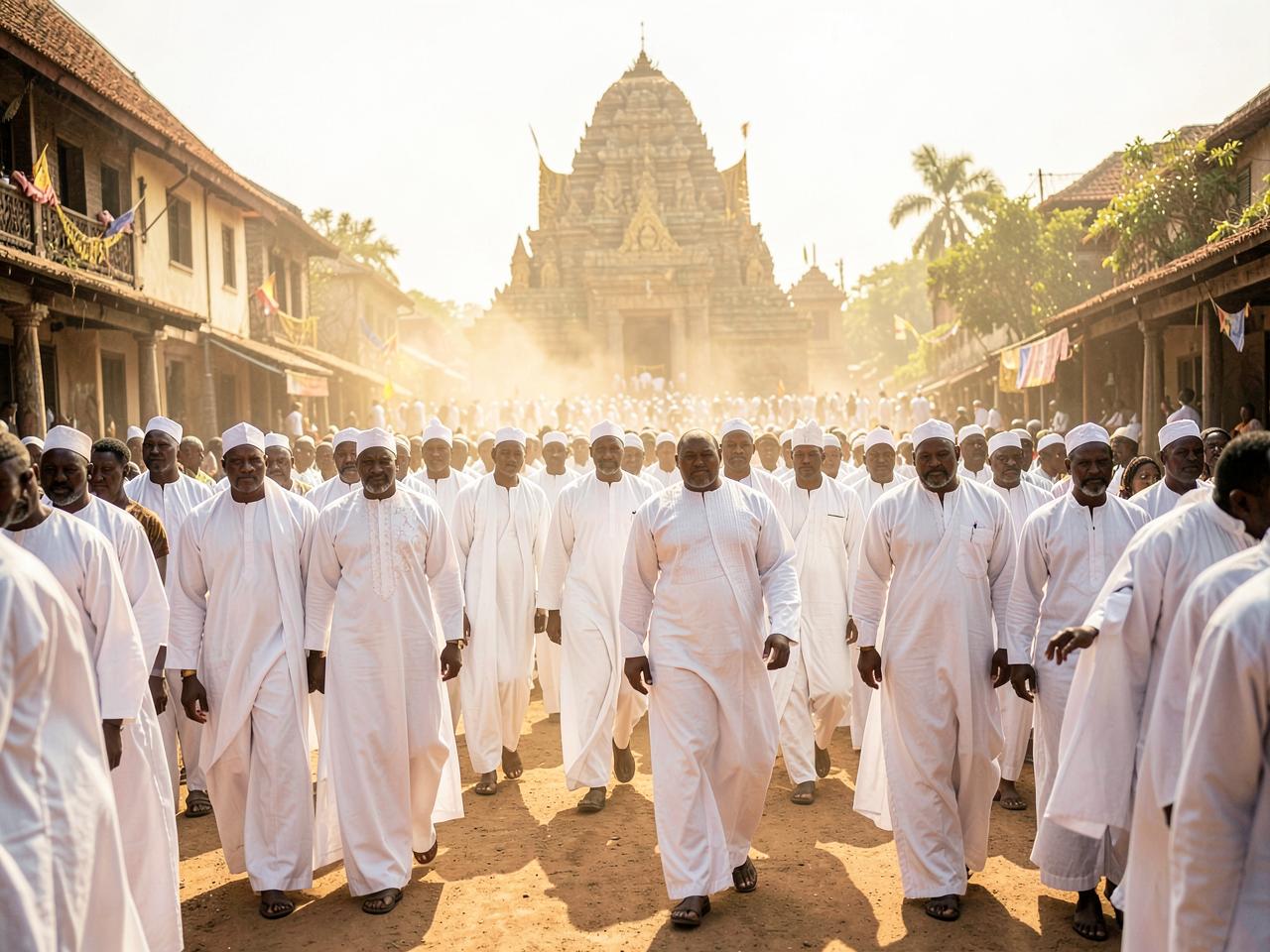
The shrine is opened, white chalk and water are brought, and the town is cleansed. Palm wine is set aside for the whole festival in remembrance of the vow.
Office of the Obafinni
Justice · World Peace · Integrity

Ancestral Seat of the Crown
The lineages of the white cloth, the titles and offices of the Crown, and the annual Obàtálá Festival of Ilé-Ifẹ̀.
Section One
The House is not a single family but a confederation of ancestral lines bound to the throne of Obàtálá at Ilé-Ifẹ̀. Each line holds an inherited duty in the ritual, judicial and ceremonial life of the Crown.
The senior line of the white cloth, descending from Òrìṣà-Nlá Obàtálá, remembered within oral and royal traditions as a foundational ruler of Ilé-Ifẹ̀. Tradition associates it with the custody of purity and the ancient claim to crown, throne and authority.
The line that succeeded Obàtálá at Ilé-Ifẹ̀ and shared a rotated rulership with the House of Obàtálá. It is associated with peacemaking, bronze and textile arts, and the reconciliation of contending houses.
Yemòó, consort and companion of Obàtálá in the work of creation, is honoured as the maternal source of the House. Her line represents women's authority, the sanctity of the womb and the moulding of every child.
Oluorogbo, Ọ̀rúnmìlà, Akire, Owa Ilare and the supporting houses remembered in tradition for restoring Obàtálá to his throne. Their descendants form the counselling body of the House and the guardians of oral record.
The extension of the House beyond Yorùbáland, seated in the United States under His Royal Highness Obafinni Obàtálá, in the service of justice, world peace and integrity.
Leadership of Obàtálá Worship
The Arole Obàtálá is the traditional office associated with the leadership of Obàtálá worship in Ilé-Ifẹ̀, seated in the Ìlésùn house and ranked among the Oba Isoro.
The Arole ObàtáláSection Two
Titles of the House are offices of service, conferred by the Crown in council with the lineages. Each carries a defined duty before the throne and before the people.

Section Three
Held annually at Ilé-Ifẹ̀ and observed by the House abroad, the festival recalls the contest and restoration of Obàtálá. It renews the covenant of purity, peace and the protection of the vulnerable, and is kept in white, without palm wine, in memory of the vow.
Day One
The shrine is opened, white chalk and water are brought, and the town is cleansed. Palm wine is set aside for the whole festival in remembrance of the vow.
Day Two
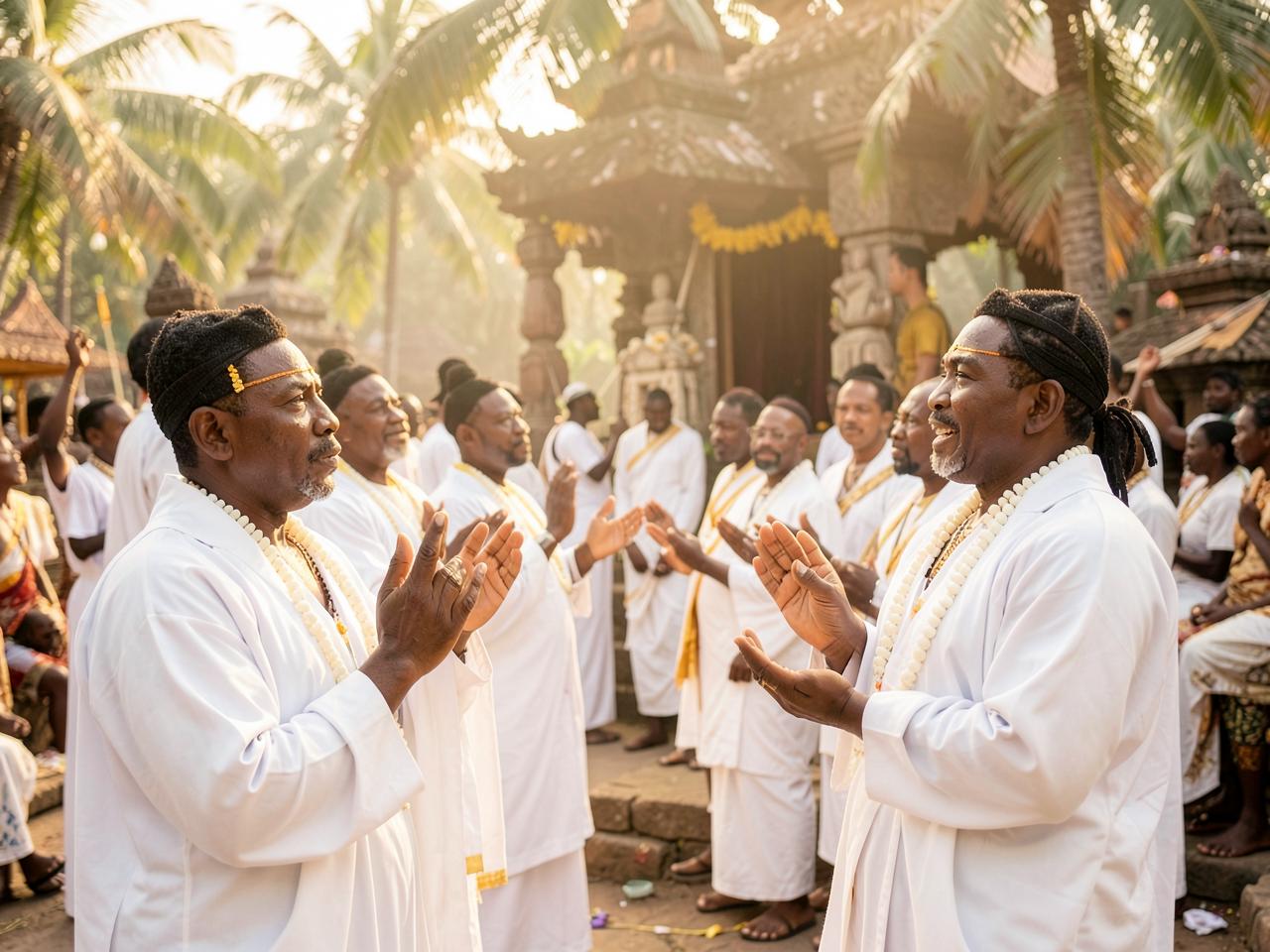
Priests and priestesses in white keep the night vigil of prayer for the head of every child born in the year.
Day Three
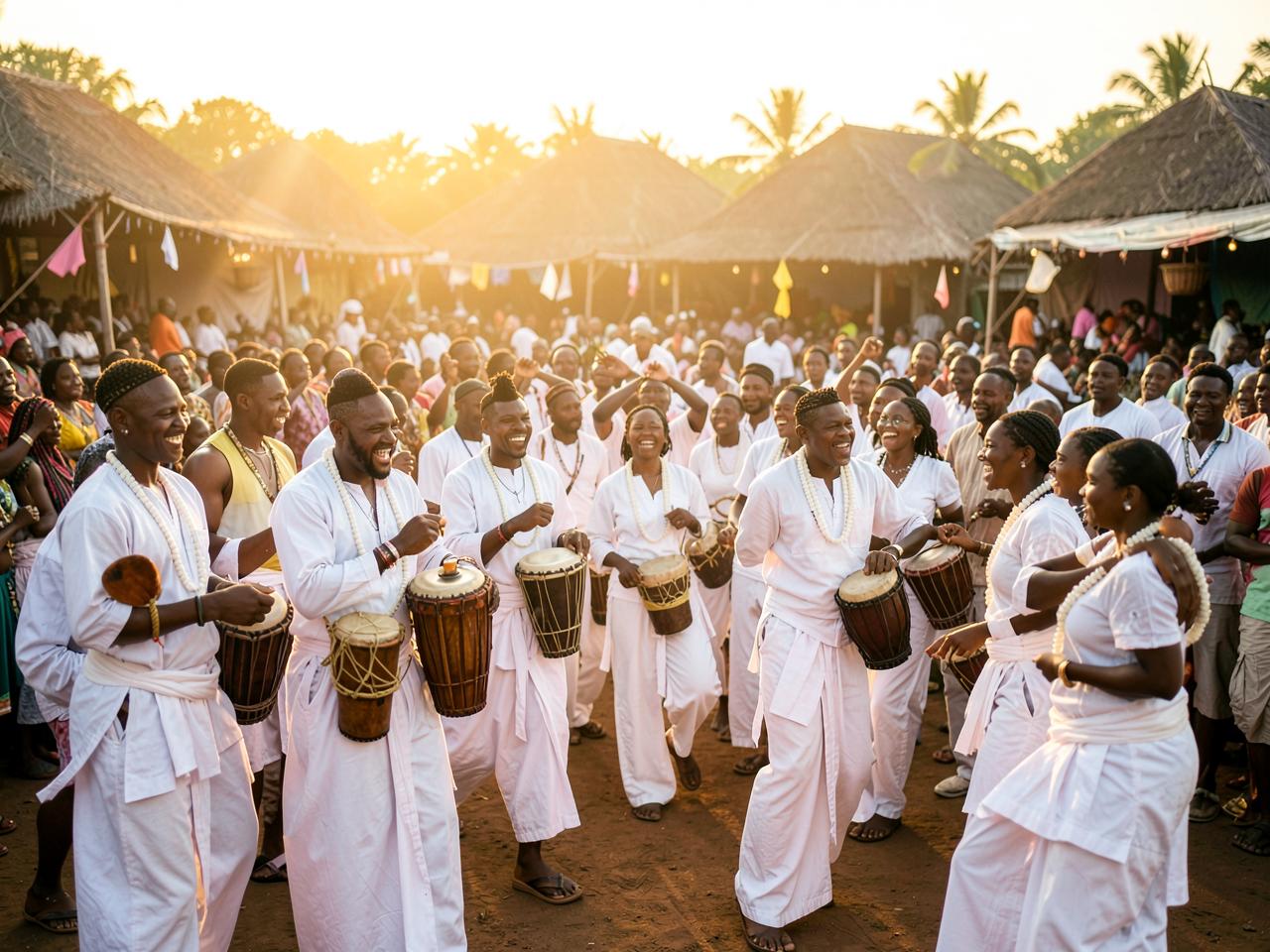
Bàtá and dùndún drummers sound the oríkì of Obàtálá; the praise-lines of the lineages are recited before the throne.
Day Four
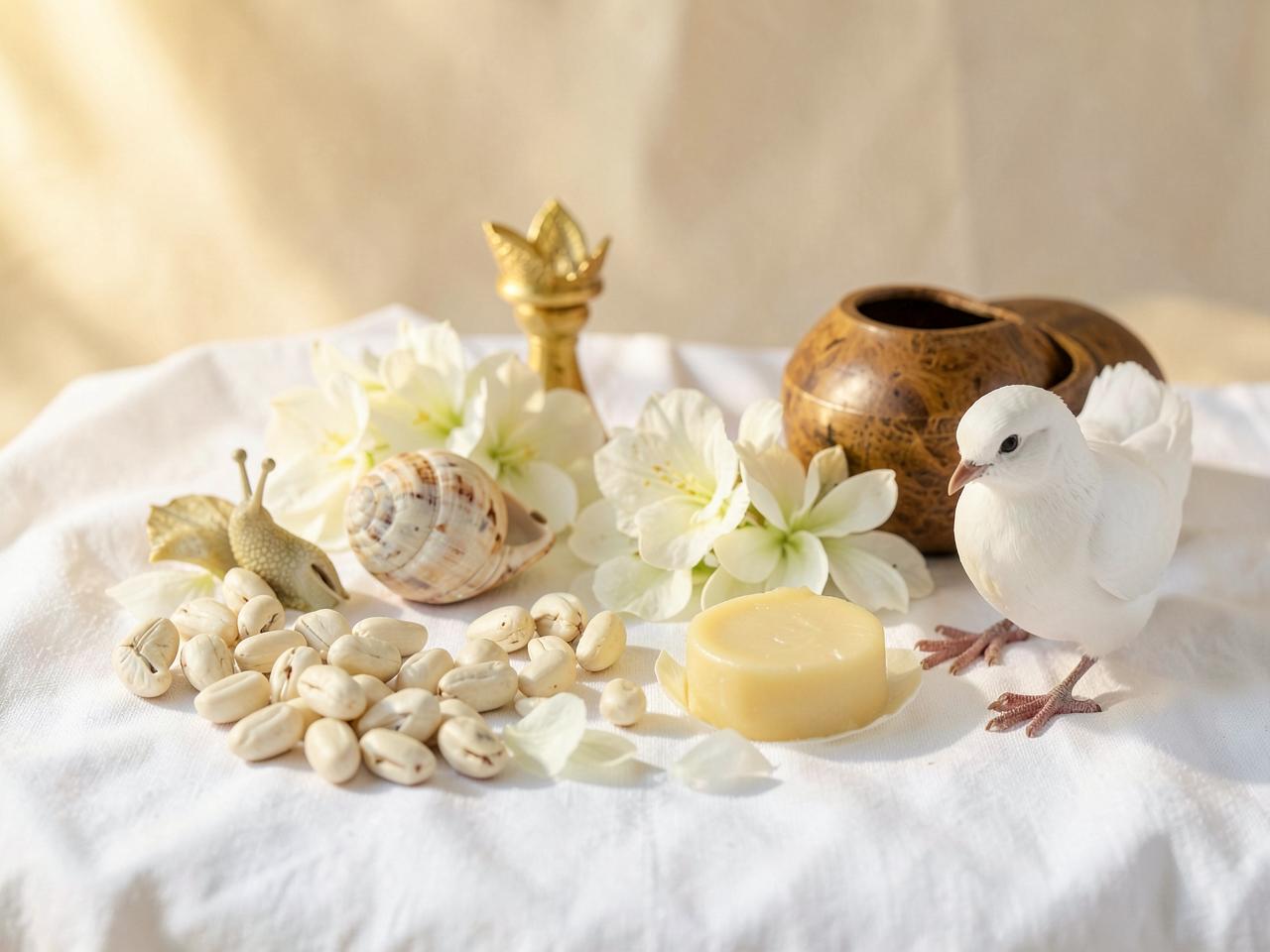
White offerings — kola, snail, shea butter, water — are presented for peace, fertility and the healing of the land.
Day Five
The crown and regalia process through the ancestral quarters, re-enacting the restoration of Obàtálá to his throne.
Day Six
Doves are released and the House prays for the nations: for the ending of war, the dignity of persons with disabilities and the leadership of women.